
Alaska
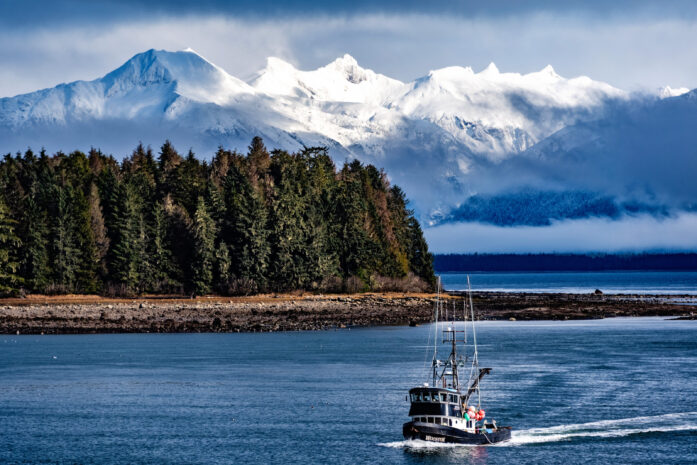
The Great Land
Alaska, home to over 6,000 miles of coastline, is the source of roughly 60% of the US supply of wild capture fisheries. Alaska holds a special place in SeaShare’s heart, as many of our donations originate from the cold, clean waters of this state. The remote location and challenging climate in Alaska help cultivate some of the best seafood in the world, but these factors can also lead to extremely high food costs and food insecurity. SeaShare works closely with partners throughout the state to bring nutritious, culturally appropriate Alaska seafood products to those in need.
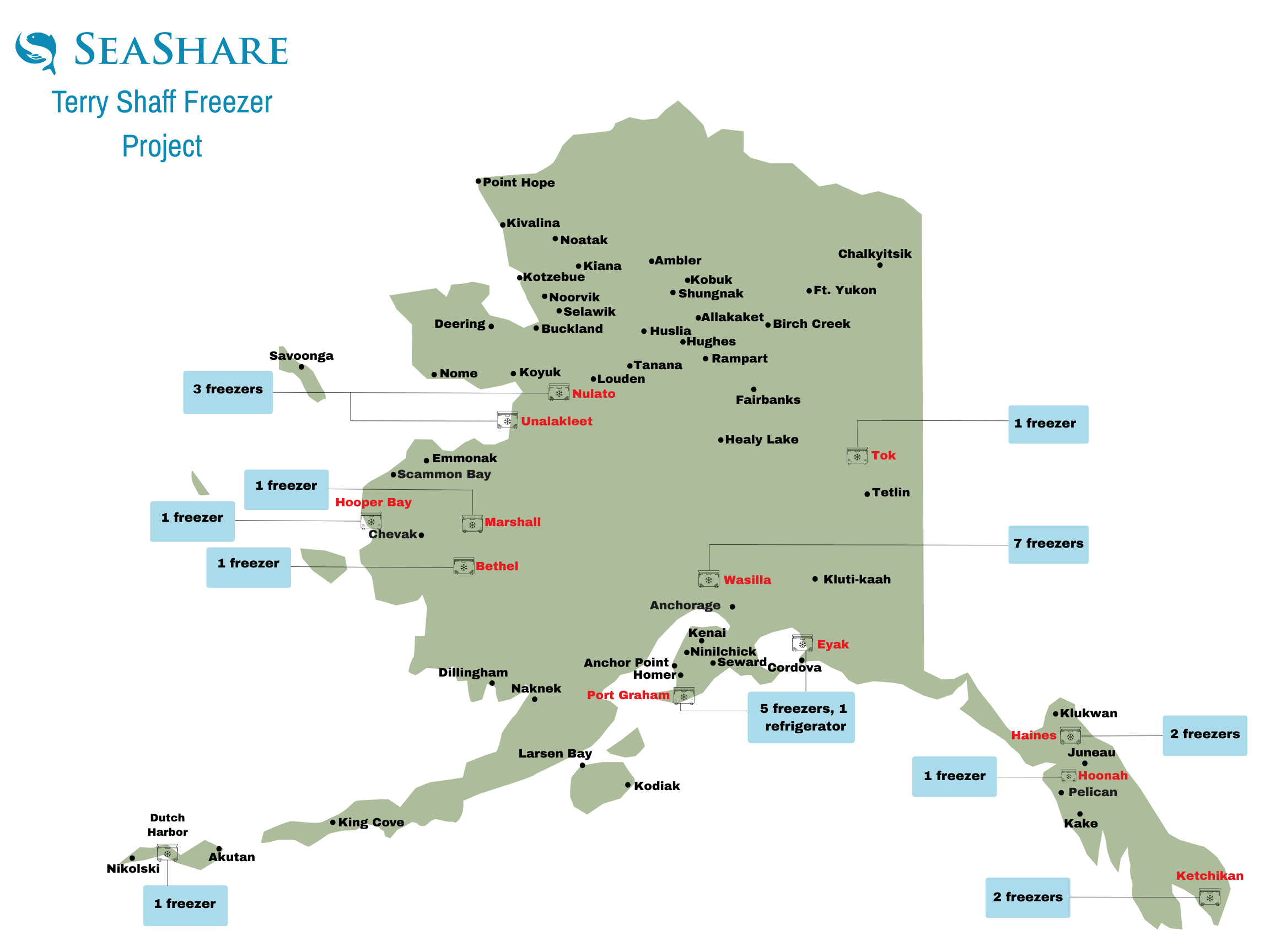
Terry Shaff Freezer Project
 Dedicated to the memory of long-time SeaShare board member and Unisea President and CEO Terry Shaff, SeaShare supplies freezers to Alaska hunger-relief agencies. Since 2024, the Alaska Department of Commerce and Economic Development has helped fund this effort through the Alaska Seafood Processing Resiliency and Seafood Food Security Program.
Alaskan food banks, food pantries, tribal feeding programs and shelters in need of freezers in order to accept frozen seafood donations should contact admin@seashare.org for more information.
Alaska Seafood Processing Resiliency and Seafood Food Security Program
In 2024, the State of Alaska created a program allowing SeaShare to work with Alaska seafood processors to purchase surplus inventory and ancillary seafood products to help Alaskans in need. Since the advent of this program, SeaShare has served more than 65 Alaskan communities and worked with more than 20 Alaska seafood companies to move over 1.97 million servings of healthy, nutritious seafood products to our neighbors.

This program is geared for small and medium sized processors, but any Alaska seafood processor interested in participating in the program or Alaskan agencies seeking seafood donations should contact admin@seashare.org for more information. SeaShare sends invitations to bid to all interested processors and will post active invitations to bid here as well.
Prohibited Species Donation Program
The Prohibited Species Donation Program (PSDP) makes up only 8% of SeaShare’s annual donations but it is important to our efforts to prevent waste and feed those in need. In its 31-year history, the program has generated over 26 million servings of high protein seafood for Americans struggling with hunger. By-catch prevention is, and should be, the top priority of the fleet, but everyone who participates in this program appreciates the value that these fish can have for hungry families and the importance of preventing waste.
SeaShare works with fishermen, processors, and other stakeholders to retain and donate this nutritious fish that would otherwise be discarded, and remains the only organization authorized to retain Prohibited Species Catch from the BSAI and GOA and use those fish exclusively for hunger-relief regulations.
We work closely with NMFS to manage the permits for both salmon and halibut and maintain the relevant records. By regulation, the program is voluntary, allowing the processors to retain fish only if they are wholesome and usable, and when they have staff and line time to clean, freeze and pack the fish for donation.
Shore-based plants can retain both salmon and halibut. At-sea processors can only retain salmon, as per IPHC recommendations. Salmon donations include both keta and king salmon. The boats and processors follow strict guidelines for quality, packing, and storage. At a minimum, they agree to H&G, freeze, pack and record all fish for donation.
We believe in continuous improvement in all our programs, and actively seek to improve the PSDP each year. SeaShare’s goals include industry outreach and materials creation to increase participation in the donation program and increase quality.
Quality GuidelinesSeaShare coordinates the downstream services needed to turn donated fish into packaged servings and distribute them to food banks and feeding centers. We secure funding to support costs that are not fully donated; the PSDP is one of our largest annual expenses.
SeaShare’s goal is to serve more Alaska communities. This goes hand in hand with quality increases: fish that is hand-filleted before freezing, therefore creating a once-frozen product, creates a more acceptable donation for Alaska communities. While some agencies can accept H&G donations, processing helps verify quality and relieves hard-working agencies and their clients of the labor burden.
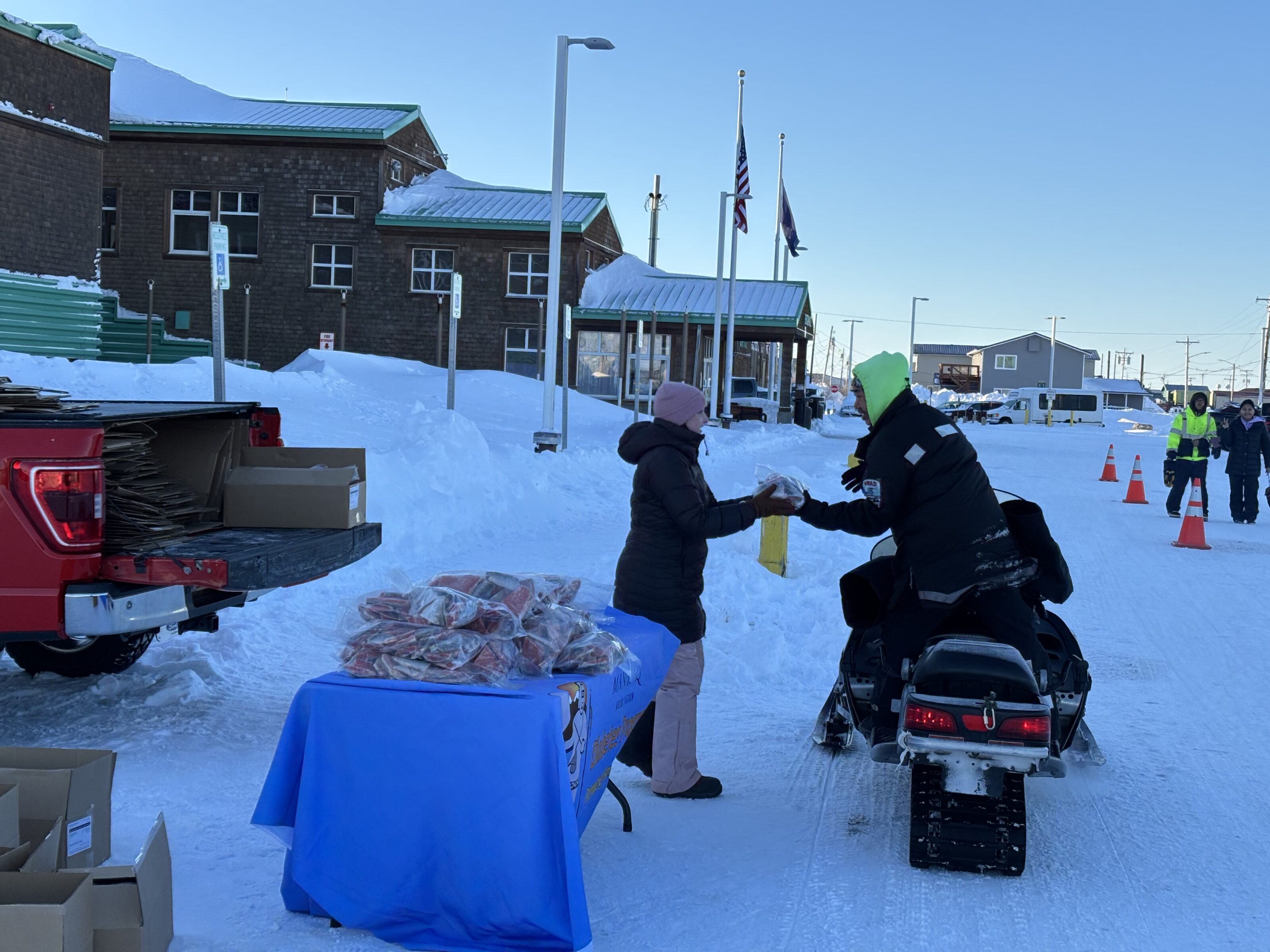
From 2026 on, SeaShare will donate all PSDP halibut within Alaska. Alaska halibut is very high in vitamin D, an essential vitamin in our northern climate, and we feel strongly that any halibut coming to the SeaShare PSDP program must be distributed to Alaskans.
SeaShare also accepts by-catch and overages from other fisheries, such as rockfish overages from the salmon fisheries. Alaska’s fisheries are well-managed for sustainability with complex regulations and structure, but when catch cannot enter commerce, SeaShare is available to coordinate donations to local community programs like women’s shelters.
Serving Alaskans is our honor, and we appreciate all the hard-working individuals in the seafood industry and at agencies throughout the state with whom we partner on this mission. Seafood is a highly perishable product and the freight companies and receiving community organizations play a vital role in all distribution efforts.